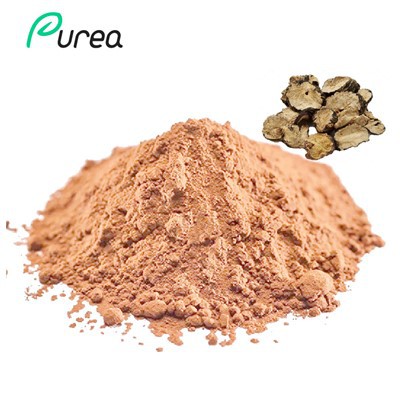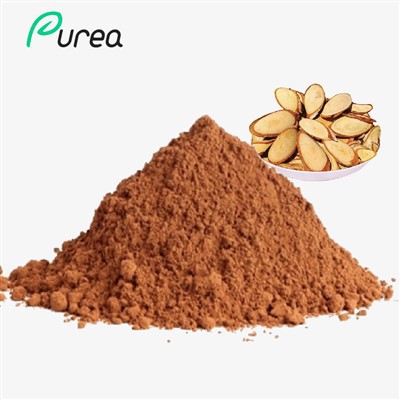


Best Reishi Mushroom Extract Powder is a concentrated botanical ingredient derived from Ganoderma lucidum. Available in a 10:1 extract ratio with polysaccharide specifications ranging from 10% to 30%, it is supplied as a fine brown-yellow powder for dietary supplements, mushroom blends, and selected functional food formulations.
Product Specifications
|
Item |
Specification |
|
Product Name |
Reishi Mushroom Extract Powder |
|
Botanical Name |
Ganoderma lucidum |
|
Part Used |
Whole Mushroom |
|
Appearance |
Brown-Yellow Fine Powder |
|
Extract Ratio |
10:1 |
|
Polysaccharide Content |
10%–30% |
|
Test Methods |
HPLC, UV |
|
Shelf Life |
2 Years |
|
Packaging |
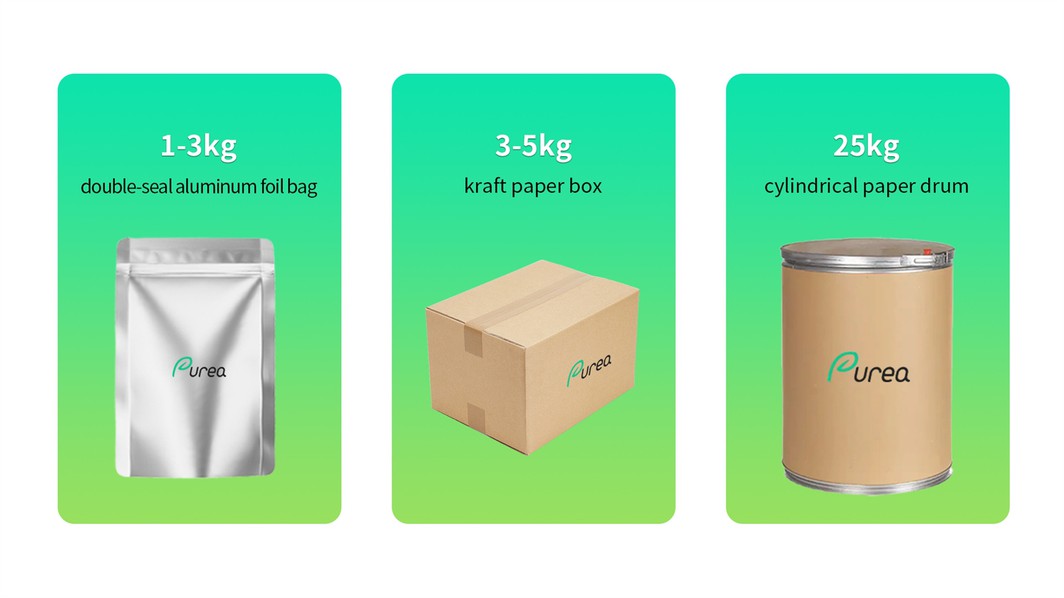
1–5 kg/aluminum foil bag; 25 kg/drum |
|
MOQ |
1 kg |
|
Delivery Time |
Approximately 2–3 Weeks |
|
Payment Terms |
T/T, L/C, PayPal |
|
Certifications |
ISO 9001, Halal, Kosher, HACCP |
Key Product Characteristics
The extract is available in different polysaccharide grades to accommodate varying ingredient specifications and formulation requirements.
Concentrated Extract: The 10:1 extract ratio provides a defined reference for ingredient selection. It distinguishes the extract from ordinary Reishi mushroom powder but does not independently establish its active constituent levels.
Multiple Polysaccharide Grades: Specifications ranging from 10% to 30% offer options for different formulation requirements. The selected grade should be matched to the intended application and analytical criteria.
Versatile Powder Format: The fine powder can be incorporated into capsules, tablets, dry blends, and selected beverage formulations, subject to processing and compatibility requirements.
Mushroom-Based Ingredient: Suitable for Reishi-focused products and multi-mushroom formulations where a defined extract specification is required.

Active Compounds & Standardization
Polysaccharides are the primary standardization parameter listed for this Reishi extract. Other naturally occurring constituents may be relevant to specific formulation and testing requirements.
Polysaccharides: Available at specified levels of 10%–30%. The analytical method and acceptance criteria should be confirmed for the selected grade.
Beta-Glucans: A subgroup of polysaccharides that requires separate analytical evaluation. Total polysaccharide content should not be interpreted as beta-glucan content.
Triterpenoids: Include naturally occurring ganoderic acids. Their concentrations are not specified in the current product specifications.
Sterols: Another group of naturally occurring mushroom constituents, not currently listed as a standardization parameter.
Buyers requiring specific active constituent levels should confirm the target content and analytical method before placing an order.

Product Applications
|
Application |
Example Products |
Key Formulation Requirements |
|
Dietary Supplements |
Capsules, tablets, powdered supplements |
Polysaccharide grade, powder flow, and ingredient compatibility |
|
Mushroom Complexes |
Multi-mushroom capsules and powders |
Individual extract specifications and blend uniformity |
|
Functional Beverages |
Mushroom drink powders and herbal beverage mixes |
Dispersion, flavor, and finished-product stability |
|
Botanical Blends |
Herbal powders and botanical capsules |
Compatibility with other botanical ingredients |
|
Functional Foods |
Nutritional powders and selected food blends |
Processing conditions and product stability |

Extraction & Processing
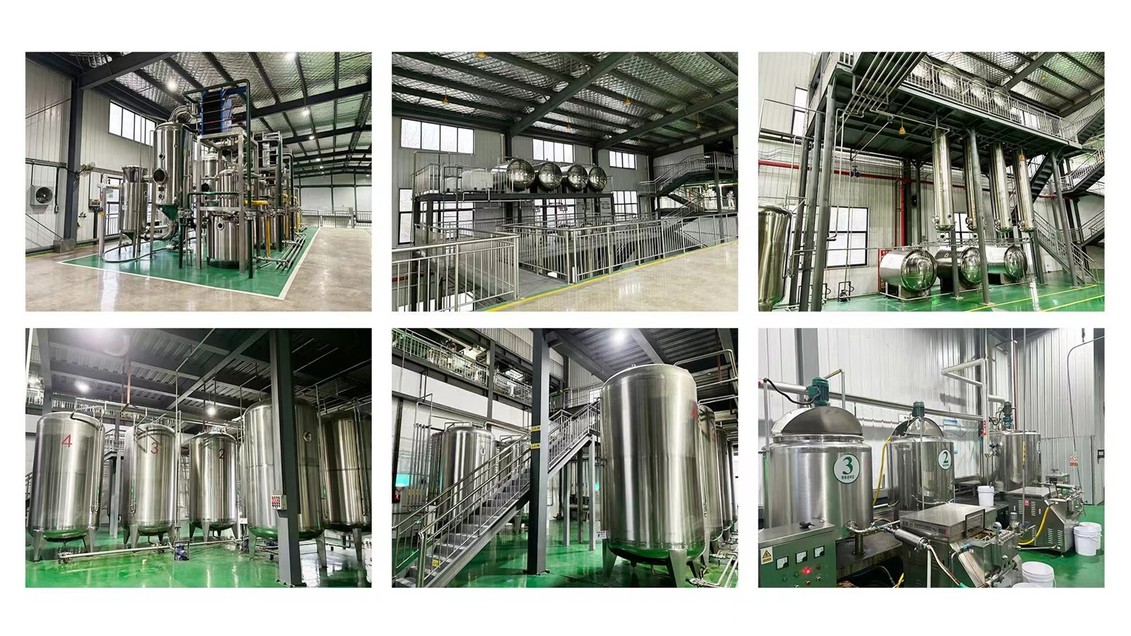
The production process involves preparing the mushroom material, extracting the desired constituents, concentrating the extract, and drying it into powder.
Raw Material Preparation: Ganoderma lucidum is selected and prepared for extraction. The specified whole-mushroom material provides the botanical basis for the product.
Extraction & Concentration: Extraction and concentration conditions influence the resulting constituent profile and polysaccharide content.
Drying & Powder Processing: The concentrated extract is dried and processed into a fine powder. Final appearance and moisture content are evaluated against the applicable specifications.
The exact extraction method and processing parameters should be confirmed for the selected grade. The 10:1 ratio alone does not establish the extraction process or constituent profile.
Quality Control & Assurance
Quality evaluation focuses on botanical identity, polysaccharide content, physical properties, and applicable safety requirements.
Raw Material Identification: Botanical identity and raw-material traceability are important reference points for evaluating incoming materials and finished batches.
Polysaccharide Testing: The selected grade should be evaluated using the applicable analytical method and agreed acceptance criteria. HPLC and UV are listed as test methods, but the specific method assigned to each parameter should be confirmed.
Physicochemical Testing: Appearance, moisture, and other relevant physical and chemical parameters are assessed against the applicable product specification.
Contaminant Control: Heavy metals and microbiological parameters should be evaluated according to the agreed specification and relevant market requirements.
Batch COA: A batch-specific Certificate of Analysis provides analytical results for reviewing supplied material against the approved specifications.
Typical Quality Documentation
The following documents may be relevant to bulk procurement, depending on the selected grade and the supplier's actual documentation availability:
- Product Specification Sheet
- Batch-specific Certificate of Analysis (COA)
- Heavy Metal Test Report
- Microbiological Test Report
- Applicable Quality and Regulatory Documents
Buyers should confirm the available documents, testing scope, and acceptance limits before ordering.
OEM & Customization
Customization focuses on extract specifications, polysaccharide grades, and packaging requirements.
Extract Specification: The standard 10:1 extract ratio is available for projects requiring a defined extraction ratio.
Polysaccharide Grades: Listed specifications range from 10% to 30%. Other target levels can be evaluated subject to raw-material availability and production feasibility.
Packaging Options: Standard packaging includes 1–5 kg aluminum foil bags and 25 kg drums. Alternative packaging requirements can be discussed according to order quantity.
Formulation Compatibility: The extract can be evaluated for single-ingredient products and multi-mushroom blends. Compatibility and finished-product performance should be assessed during formulation development.
Customized specifications are subject to technical feasibility, agreed quality requirements, and minimum order quantities.

Packaging, Storage & Logistics
Bulk Packaging
Available in 1–5 kg aluminum foil bags and 25 kg drums to accommodate different purchasing and production requirements.
Storage Conditions
Keep the powder tightly sealed in a cool, dry place, away from direct sunlight and excessive heat. Protect the material from moisture during storage and handling.
Shelf Life & Delivery
The stated shelf life is 2 years under recommended storage conditions. The typical delivery time is approximately 2–3 weeks, subject to order quantity, selected specifications, and production scheduling.

FAQ
Q: What specifications are available for Reishi Mushroom Extract Powder?
A: The standard product has a 10:1 extract ratio, with polysaccharide specifications ranging from 10% to 30%. Buyers can select the appropriate grade according to their formulation and quality requirements.
Q: What is the difference between Reishi mushroom powder and extract powder?
A: Reishi mushroom powder is produced by grinding the mushroom material, while extract powder undergoes extraction and subsequent drying. Extract powder can be supplied with defined parameters, such as an extract ratio and polysaccharide content.
Q: Which extraction method is used for this product?
A: The specific extraction method depends on the selected product grade and should be confirmed with the supplier. A 10:1 extract ratio does not independently identify the extraction method or determine the final constituent profile.
Q: Are polysaccharides and beta-glucans the same?
A: No. Beta-glucans are a subgroup of polysaccharides, and the two measurements are not interchangeable. Buyers requiring a specific beta-glucan level should request a separate specification and analytical method.
Q: What testing information is available for bulk orders?
A: The product specifications list HPLC and UV as test methods. The applicable method for each parameter, including polysaccharide content, should be confirmed for the selected grade. Buyers can use the batch-specific COA to review available analytical results against the agreed specification.
Q: Can the polysaccharide content be customized?
A: The listed specifications range from 10% to 30%. Other target levels may be evaluated according to raw-material availability, production feasibility, and order requirements.
Q: What is the MOQ and typical delivery time?
A: The listed minimum order quantity is 1 kg, with a typical delivery time of approximately 2–3 weeks. The actual lead time depends on the selected specification, order quantity, and production schedule.
Q: What documents should buyers request before bulk procurement?
A: Buyers should review the product specification sheet and batch-specific COA. Additional heavy metal, microbiological, quality, or regulatory documents may be required depending on the destination market and purchasing specifications.
Hot Tags: best reishi mushroom extract powder, China best reishi mushroom extract powder manufacturers, suppliers, factory, Maca Root Extract Powder, Best Reishi Mushroom Extract Powder, hot selling products, Panax Ginseng Root Extract Powder, Tongkat Ali Root Extract Powder