


Hibiscus Leaf Powder is a finely milled botanical ingredient derived from the leaves of Hibiscus sabdariffa. It is supplied as a deep green powder for use in herbal blends, powdered supplements, and selected plant-based products.
Product Specifications
|
Parameter |
Specification |
|
Product Name |
Hibiscus Leaf Powder |
|
Botanical Name |
Hibiscus sabdariffa |
|
Plant Part Used |
Leaf |
|
Specification |
100% Pure |
|
Appearance |
Fine powder, deep green |
|
Solubility |
Partially soluble in water |
|
Identification Method |
TLC |
|
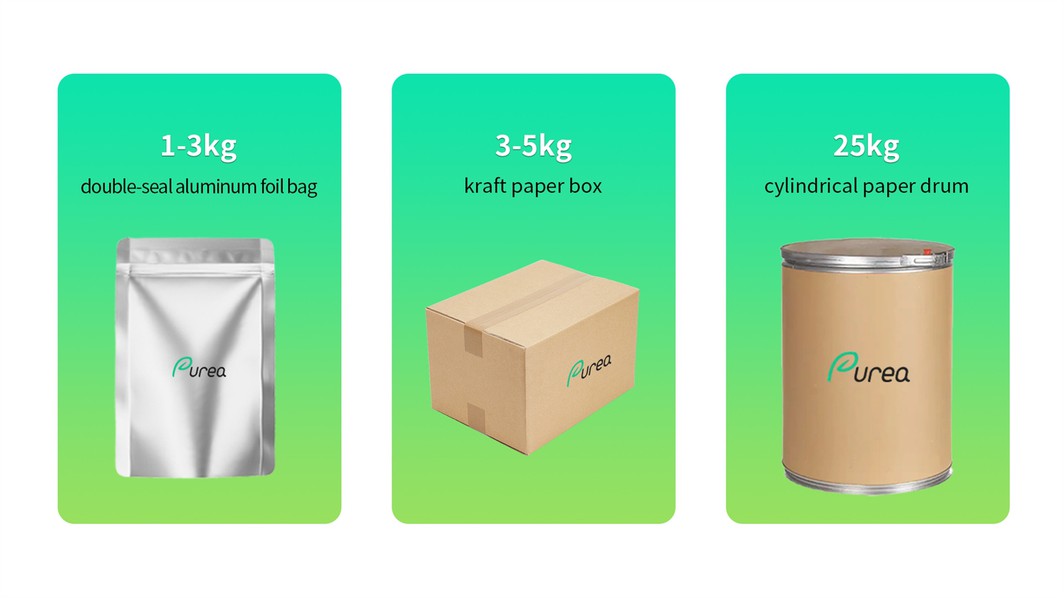
Packaging |
1 kg/bag, 25 kg/drum |
|
Customized Packaging |
Subject to confirmation |
|
MOQ |
1 kg |
|
Delivery Time |
Approximately 2–3 weeks |
|
Shelf Life |
2 years |
|
Storage |
Cool, dry place away from moisture and direct sunlight |
|
Certifications |
ISO 22000, Halal, EU Organic listed; product-specific scope to be confirmed |
|
Payment Terms |
T/T, L/C, PayPal |
Botanical Source & Material Profile
Hibiscus Leaf Powder is made from the leaves of Hibiscus sabdariffa, rather than the calyces commonly used in roselle beverages. This distinction is important when selecting hibiscus ingredients for specific formulations.
Whole-Leaf Material: The product is a milled leaf powder, not a concentrated extract. No extraction ratio or standardized active ingredient content is specified.
Raw Material Verification: Buyers should confirm the botanical name and plant part against the supplier's technical documentation to ensure the material matches the purchasing specification.

Processing Characteristics
The powder's physical properties influence its handling and suitability for different manufacturing processes.
Powder Handling: The finely milled form can be evaluated for dry blending and incorporation into suitable formulations. Particle size and flow behavior should be assessed when they are critical to production.
Water Interaction: The powder is partially soluble in water. Liquid formulations may require testing to assess dispersion and sedimentation.
Color and Sensory Properties: Its deep green color, taste, and aroma may affect the finished product. Evaluation at the intended inclusion level can help determine whether formulation adjustments are necessary.

Product Applications
Hibiscus Leaf Powder can be evaluated for several botanical product categories, depending on formulation requirements and the intended finished product.
Herbal Blends: Can be considered for dried botanical blends and herbal powder combinations. Compatibility with other ingredients should be assessed during formulation.
Powdered Supplements: May be evaluated for suitable capsule, tablet, and herbal powder formulations. Selection should account for the processing requirements of the target dosage form.
Beverage Mixes: Can be considered for selected botanical drink powders. Its partial water solubility makes dispersion and sedimentation important factors during product development.
Plant-Based Food Products: May be assessed for selected dry mixes and botanical food formulations. Buyers should confirm suitability for the intended food category and destination-market regulations.
Final application decisions should be based on formulation trials, product specifications, and applicable regulatory requirements.


Quality Control
Quality assessment should establish whether the supplied material meets the agreed product specification.
Botanical Identification: TLC is the listed identification method. The applicable test procedure and acceptance criteria should be confirmed in the current specification.
Appearance: Check the powder's color and physical condition against the agreed requirements. Significant variations should be reviewed before approval.
Moisture and Ash: Review these parameters when they are included in the product specification, using the agreed acceptance limits.
Contaminant Testing: Verify available heavy metal and microbiological results against the requirements for the intended application and destination market.
Batch Documentation: Compare the batch-specific Certificate of Analysis (COA) with the agreed specification. Any additional testing requirements should be confirmed before ordering.
Testing parameters and acceptance limits should reflect the actual product grade and applicable market requirements.
OEM & Customization
|
Customization Item |
Details |
|
Quality Requirements |
Identification, appearance, moisture, and other acceptance criteria can be reviewed according to product feasibility. |
|
Packaging Options |
Standard options are 1 kg bags and 25 kg drums. Alternative packaging is subject to confirmation. |
|
Special Requirements |
Additional product or order requirements can be assessed before confirmation, subject to technical and supply feasibility. |

Packaging & Logistics
Packaging Options: Standard packaging includes 1 kg bags and 25 kg drums. Customized packaging is available upon confirmation.
Delivery Time: Approximately 2–3 weeks, subject to order confirmation and production arrangements.
Shipping Arrangements: Shipping methods and delivery schedules can be coordinated according to the destination and order requirements.

Frequently Asked Questions
Q: How is Hibiscus Leaf Powder different from Hibiscus Calyx Powder?
A: Hibiscus Leaf Powder is made from the leaves of Hibiscus sabdariffa, while calyx powder uses the flower's fleshy calyx. These materials have different botanical identities and may have different formulation properties.
Q: Is Hibiscus Leaf Powder a concentrated extract?
A: No. It is a milled leaf powder, not a concentrated extract. No extraction ratio or standardized active ingredient content is specified.
Q: Can Hibiscus Leaf Powder be used in liquid formulations?
A: It can be evaluated for selected liquid products. Since it is only partially soluble in water, formulation trials should assess dispersion, sedimentation, and finished-product appearance.
Q: What quality documents should buyers review?
A: Buyers should review the current product specification and the batch-specific COA. These documents help confirm product identity and whether the reported results meet the agreed requirements.
Q: What is the shelf life of Hibiscus Leaf Powder?
A: The listed shelf life is 2 years. Buyers should confirm the applicable storage conditions and shelf life against the current product documentation.
Hot Tags: hibiscus leaf powder, China hibiscus leaf powder manufacturers, suppliers, factory, Arnica Montana Flower Extract Powder, Saw Palmetto Oil Extract Powder, Gromwell Root Extract Powder, Glehnia Root Extract Powder, Organic Pandan Leaf Powder, natural animal plant extracts