


Hydrolyzed Fish Collagen Powder is a marine-derived protein ingredient produced through the enzymatic hydrolysis of collagen from fish skin and scales. It contains hydrolyzed collagen peptides with a specified molecular weight range of 500–3,000 Da, protein content of ≥90%, and peptide content of ≥95%. Its fine powder form and water solubility make it suitable for dietary supplements, functional beverages, and nutritional product formulations.
Product Specifications
|
Parameter |
Specification |
|
Product Name |
Hydrolyzed Fish Collagen Powder |
|
Source |
Fish Skin and Scales |
|
Appearance |
White to Off-White Fine Powder |
|
Protein Content |
≥90% |
|
Peptide Content |
≥95% |
|
Molecular Weight |
500–3,000 Da |
|
Peptide Structure |
(Gly-X-Y)n |
|
Solubility |
Completely Soluble in Water |
|
Particle Size |
80–120 mesh |
|
Moisture |
≤8% |
|
Ash |
≤3% |
|
Lead (Pb) |
≤10 ppm |
|
Arsenic (As) |
≤1.0 ppm |
|
Mercury (Hg) |
≤0.1 ppm |
|
Total Plate Count |
≤1,000 CFU/g |
|
Yeast and Mold |
≤100 CFU/g |
|
E. coli |
Negative |
|
Salmonella |
Negative |
|
Shelf Life |
2 years |
|
Storage |
Store sealed in a cool, dry place |
|
Packaging |
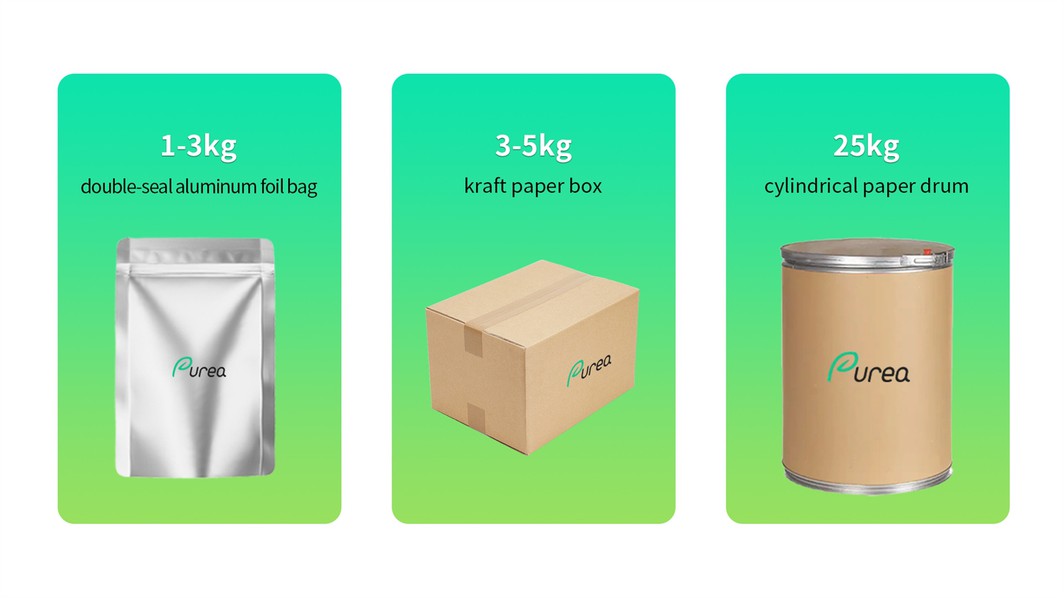
1 kg/bag; 25 kg/drum |
Peptide Profile & Molecular Weight
Hydrolyzed Fish Collagen Powder contains collagen peptides produced through enzymatic hydrolysis. Its peptide profile and molecular weight are important parameters for comparing collagen ingredients and selecting materials for specific formulations.
Hydrolyzed Peptides: Enzymatic hydrolysis breaks down collagen into smaller peptide chains. This distinguishes hydrolyzed collagen from collagen that retains a more intact protein structure.
Molecular Weight: The specified molecular weight range is 500–3,000 Da. Buyers can use this range alongside protein content and peptide content when evaluating the ingredient against formulation requirements.
Protein and Peptide Content: The product specifications list protein content of ≥90% and peptide content of ≥95%. These are separate specification parameters, and their definitions and analytical methods should be confirmed through the applicable technical documentation.
Formulation Characteristics
The powder's solubility, particle size, and peptide specifications are relevant to its incorporation into different product formats.
Water Solubility
The product is specified as completely soluble in water, making it suitable for evaluation in reconstituted formulations and powdered beverage mixes. Formulators should assess its behavior in the complete formula under their intended processing conditions.
Particle Size
The specified particle size is 80–120 mesh. This provides a reference for handling and blending with other dry ingredients.


Dosage Form Compatibility
The ingredient can be incorporated into powder, capsule, and tablet formulations. The appropriate inclusion level depends on the target serving size, product format, and overall formulation.
Formula Integration
When combined with flavors, sweeteners, or other nutritional ingredients, compatibility should be assessed during product development to ensure the finished product meets its intended sensory and processing requirements.
Product Applications
Hydrolyzed Fish Collagen Powder is suitable for formulations requiring a marine-derived collagen peptide ingredient.
Dietary Supplements: Used in collagen-focused powder blends and suitable capsule or tablet formulations. Product developers can select the dosage form and serving size according to their formulation requirements.
Functional Beverages: Suitable for evaluation in powdered drink mixes and other collagen-containing beverage formulations. Solubility, flavor, and compatibility with other ingredients should be assessed in the finished product.
Nutritional Powders: Can be incorporated into nutritional powder blends and meal replacement formulations. Its protein content and molecular weight specification provide reference points for ingredient selection.
Functional Foods: May be used in selected food formulations where collagen peptides are required. Processing conditions and the characteristics of the finished product should be considered during development.

OEM & Customization
Customization requirements can be discussed according to the intended product format, target specifications, and order quantity.
|
Customization Item |
Available Options |
|
Peptide Specifications |
Discuss molecular weight and peptide requirements according to the intended formulation and applicable product specifications. |
|
Formula Configuration |
Review the ingredient's suitability for the proposed formula, including its combination with other components and intended dosage form. |
|
Bulk Packaging |
Discuss packaging formats and quantities according to storage, handling, and purchasing requirements. |

Incoming Material Assessment
A clear review of product specifications and supporting documentation helps buyers assess whether the ingredient meets their purchasing and quality requirements.
Specification Review: Confirm that protein content, peptide content, molecular weight, solubility, and other required parameters match the intended application. Any additional specifications should be agreed upon before order confirmation.
Batch Information: Review available batch-specific information and supporting quality records. Buyers should confirm whether a batch-specific COA is available and which parameters it covers.
Raw Material Source: The product is derived from fish skin and scales. Buyers with specific fish species, sourcing, or traceability requirements should confirm the available raw material information with the supplier.
Market Requirements: Importers and finished-product manufacturers should identify applicable ingredient, labeling, allergen, and documentation requirements for their target markets before finalizing material selection.

Packaging & Storage
Packaging: Standard packaging options include 1 kg bags and 25 kg drums. The final packaging configuration should be confirmed according to the order requirements.
Storage: Keep the product sealed in a cool, dry place to protect it from moisture and unsuitable storage conditions.
Shelf Life: The stated shelf life is 2 years when stored under the recommended conditions.

Frequently Asked Questions
Q: What is the difference between hydrolyzed fish collagen and non-hydrolyzed collagen?
A: Hydrolyzed fish collagen has undergone enzymatic hydrolysis, which breaks collagen into smaller peptides. Non-hydrolyzed collagen retains a more intact protein structure, resulting in different physical and formulation characteristics.
Q: What should buyers consider when evaluating collagen peptide specifications?
A: Buyers should review the molecular weight range alongside protein content, peptide content, solubility, and other agreed specifications. The relevant parameters depend on the intended formulation and finished-product requirements. The definitions and test methods for individual parameters should also be confirmed.
Q: Can Hydrolyzed Fish Collagen Powder be used in beverage formulations?
A: Yes. The product is specified as completely soluble in water and can be evaluated for powdered drink mixes and other beverage formulations. Developers should assess flavor, formula compatibility, and processing conditions before commercial production.
Q: Is this ingredient suitable for capsules and tablets?
A: It can be used in capsule and tablet formulations, depending on the target serving size, formulation composition, and processing requirements. The appropriate inclusion level should be determined during product development.
Q: Can the peptide specifications be customized?
A: Molecular weight and peptide requirements can be discussed during the sourcing process. Availability and feasibility should be confirmed against the intended specifications before an order is placed.
Q: What quality documents should buyers request?
A: Buyers should confirm the availability of a batch-specific COA and review the parameters it covers. Additional documents, such as testing reports, allergen statements, or origin information, may be required depending on the buyer's quality procedures and destination market.
Q: What fish source information is available?
A: The product is derived from fish skin and scales. Buyers requiring information about fish species, sourcing region, or raw material traceability should confirm the available details with the supplier.
Q: What should be confirmed before placing a bulk order?
A: Buyers should confirm the product specifications, packaging format, order quantity, and applicable market requirements. They should also review available batch documentation and clarify any specific raw material or quality requirements before order confirmation.
Hot Tags: hydrolyzed fish collagen powder, China hydrolyzed fish collagen powder manufacturers, suppliers, factory, Hydrolyzed Fish Collagen Powder, nutritional supplements, Blue Phycocyanin Powder, Selenium Enriched Yeast Powder, Hexaphosphate Powder